

How it Works
Buying a CLT home opens up new opportunities for you, your family, and your community.
In exchange for purchasing homes at below-market prices, prospective owners agree to resale price restrictions that keep homes permanently affordable to subsequent households with similar income levels.
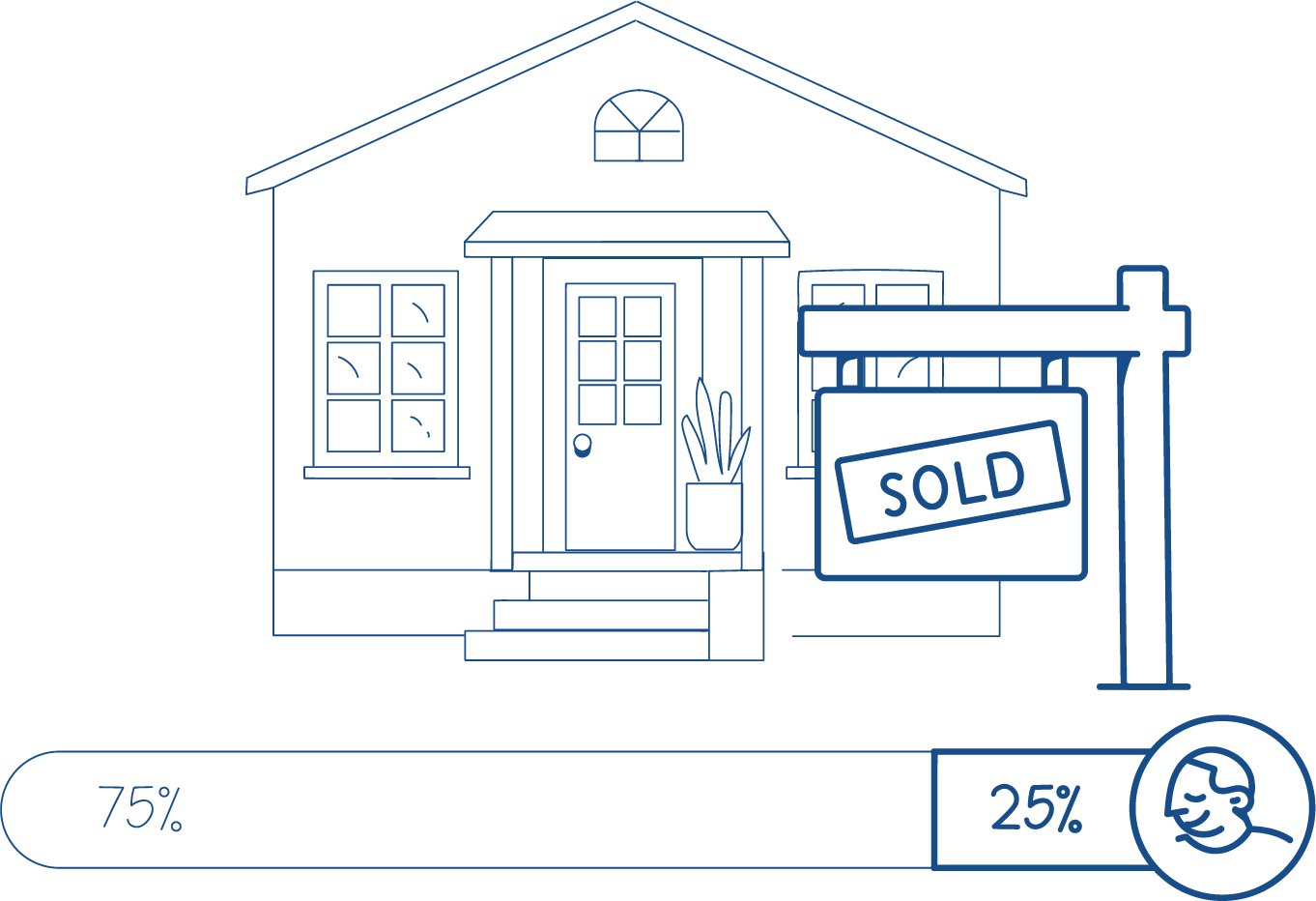
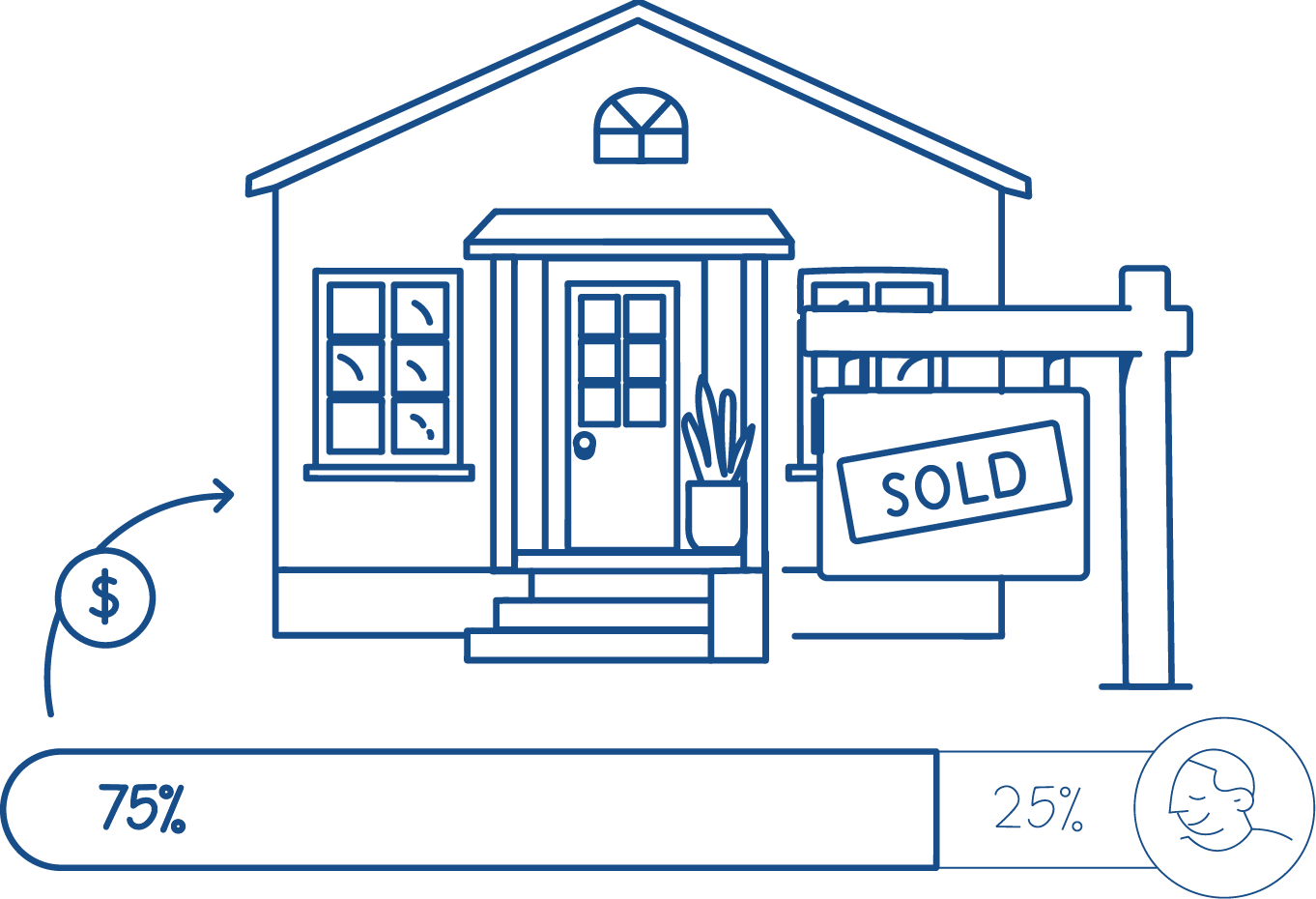
When the homeowner sells, an appraisal based resale formula allows the homeowner to keep 25% of the equity, plus their principal payments made against the mortgage. The remainder is kept by the trust, preserving the affordability for future low to moderate income families.
DPCLT Overview
Do I Qualify?
Total households income for all household sizes must fall between 60%-120% of Area Median Income to qualify.
Participate in a Homebuyers program through Habitat for Humanity Michigan, MSU Extension, Fannie Mae or Inner City Christian Federation
Qualify for a mortgage through an approved CLT Mortgage Lender
You must attend a DPCLT virtual Orientation to ensure you understand the Community Land Trust model and want to purchase a home through DPCLT.
Email cltsales@dpgr.org with the date you plan to attend and a link to the virtual orientation will be sent to you.
DPCLT Orientation
Upcoming DPCLT Orientations
5:30 PM - 6:30 PM EST:
12 PM - 1 PM EST:
7/13
8/10
9/7
10/5
6/30
7/28
8/25
9/22
10/25

What is a Ground Lease?
In Michigan and across the nation, homeownership is challenging for low and moderate-income households. Dwelling Place Regional Community Land Trust addresses this by preserving land for affordable homeownership.
Through shared ownership, community land trusts like Dwelling Place Regional Community Land Trust make housing affordable. Homeowners own the home or structure, while the CLT owns the land, ensuring affordability through a land lease for income-qualified homebuyers, future homeowners, and the community.
The land lease grants exclusive land use to the homeowner. Lasting 89 years, the lease is renewable and inheritable.
Equity and appreciation sharing are defined in the land lease. When selling, homeowners recoup their principal payments and 25% of the appreciation. The remaining appreciation is retained by the CLT to maintain affordability for the next income-qualified homebuyer.






Benefits of Owning a CLT Home
Stability + Housing Security
Homeownership provides stability and independence. It serves as a solid foundation from which to pursue personal and professional aspirations. Housing stability ensures people can thrive. The continuous engagement and support offered through the Dwelling Place Regional Community Land Trust to its homeowners will also be beneficial in mitigating other financial problems and preventing foreclosures.
Representation
One third of the CLT board is made of CLT owners, while the remaining members of the board will be Dwelling Place appointees and dedicated community volunteers committed to maintaining long term affordability for homeownership in their community.
Stewardship + Support
Dwelling Place Regional Community Land Trust (DPCLT) home buyers receive support from Dwelling Place as long as they own their homes. The DPCLT will provide a wide array of support to its homeowners - from access to extensive homeownership counseling, informational newsletters, hands-on workshops, and opportunities to participate in efforts to improve the neighborhoods where they live.
Permanent Affordability
CLT homes are more affordable than those purchased on the open real estate market because the Dwelling Place Regional Community Land trust offers a purchase subsidy to its homebuyers. The purchase subsidy reduces the amount of financing the buyer must obtain in order to purchase a home and increases the loan to value ratios for the lender.

The Dwelling Place Regional Community Land Trust is committed to fair housing and the right to choose housing free from unlawful discrimination. Fair housing laws protect people from discrimination in housing based on race, color, religion, sex, national origin, familial status, disability, marital status, age, sexual orientation, and gender identity or expression. Discrimination is illegal in housing transactions such as rentals, sales, lending, and insurance. Learn more about Fair Housing here.